
How to Keep Your Lungs Healthy in Delhi NCR Pollution
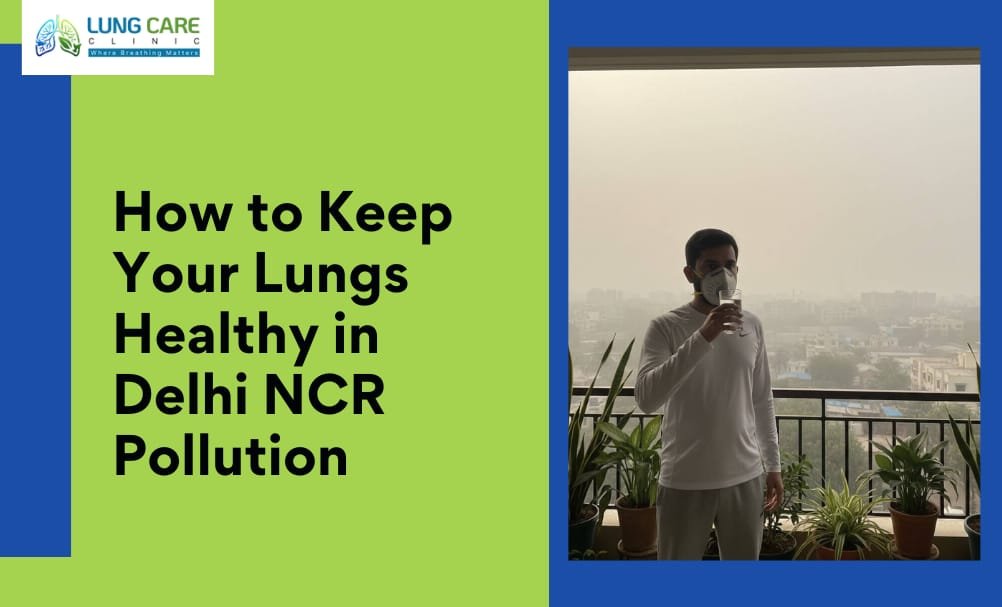
Waking up to a thick layer of grey smog has become a normal part of life for millions of people. This daily struggle with a poor air quality index is directly linked to a sharp rise in severe breathing problems across the capital region, and is also becoming a major health issue.
If you are wondering how to keep your lungs healthy in Delhi NCR pollution, you are certainly not alone. Families everywhere are looking for reliable ways to breathe easier and protect their respiratory systems from long-term damage.
The air and the air around you are something that you cannot avoid and change, especially in busy cities. However, even a change in some practical changes can be beneficial. Such things as making yourself healthier in your everyday life, watching what you eat, and making the home cleaner can help your lungs become more functional over time.
When you already have a problem with breathing, it is significant to get the right advice. It is possible to talk to a qualified specialist, such as Dr. Ankit Bhatia, and to learn more about your condition and how to cope with it. You can have better control of your health even in a challenging environment with the right medical advice and with daily habits.
Why Pollution in Delhi NCR Affects Your Lungs
Delhi NCR is not the place where the air is simply dusty, but rather a combination of various pollutants that have various sources. Work on the construction, traffic, factory emissions, and even burning of crops in season contribute to the problem. When you walk out and breathe in, you see that it is not fresh air that comes in. You are also breathing particles of small size that are harmful.
They are particles, commonly known as PM 2.5 and PM10, that are so minute that they can hardly be filtered by your body. These go past your nose and throat and get deep into your lungs. This eventually begins to irritate the airways and results in inflammation. You may not feel like yourself and are too tired or even short of breath despite doing simple things.
Health organisations like the World Health Organization’s air pollution overview, have also pointed out that long-term exposure to polluted air increases the risk of chronic respiratory conditions. That’s why it’s something that shouldn’t be taken lightly, especially if you’re already dealing with breathing issues.
Common Signs Your Lungs Are Affected by Pollution
Many people ignore the early warning signs of respiratory distress, thinking it is just a normal reaction to the weather. Paying attention to your body can help you catch breathing problems in Delhi NCR before they become severe. Look out for these common indicators:
Shortness of breath
After climbing a flight of stairs or performing some light household duties, you may gasp. This is because inflamed lungs are unable to effectively deliver oxygen to the blood, and this shows a need of awareness about keeping the lungs healthy.
Cough
A persistent, dry cough that does not go away is a clear sign of irritation. Your body is constantly trying to expel the foreign particles trapped inside your airways.
Chest tightness
You may feel a heavy, uncomfortable sensation in your chest area. Some people describe it as feeling like someone is sitting on their chest, making it difficult to take a full, deep breath.
Wheezing
After climbing a flight of stairs or performing some light household duties, you may gasp. This is due to the fact that the lungs that are inflamed are unable to effectively deliver oxygen to the blood.
Who Needs Extra Lung Care in Delhi NCR?
Although the smog impacts everyone, some groups of people are at a significantly greater risk of developing serious health issues. These people need additional attention and special care of lungs in Delhi NCR in the months of peak pollution.
The children are very vulnerable as their lungs are not fully developed. They also breathe at a higher rate as compared to adults, and this implies that they breathe more pollutants in proportion to their body weight. The elderly are also not safe, as the general functioning of the lungs tends to decrease as people age, and most of the people are already older adults with underlying health conditions. The air quality index becomes extremely low, and this poses a significant challenge to patients with asthma.
Asthma attacks can be severe, and a minor change in the smoke or dust can cause an asthma attack, which needs urgent treatment. Lastly, individuals with low immunity or with other underlying conditions, such as heart disease, need to observe additional precautions as their bodies are not able to combat the systemic inflammation of the contaminated air easily.
Daily Habits to Keep Your Lungs Healthy in Delhi NCR Pollution
Building a strong daily routine is your best defense against the toxic air outside. You do not need to make drastic lifestyle changes to see a difference. Focus on these simple habits to keep your lungs healthy in Delhi NCR pollution.
First, stay indoors during high pollution days. The air quality is usually at its worst during the early morning hours and late evenings. If you like to exercise outside, try shifting your workouts indoors to a gym or your living room.
Second, wear a proper mask whenever you step outside. A standard cloth mask will not block PM2.5 particles. You need an N95 or KN95 respirator mask that fits snugly over your nose and mouth to filter out the dangerous dust and smoke.
Third, keep an air cleaner in your house. When properly installed, a quality HEPA filter has the ability to significantly decrease the amount of dust and dirt floating around in your living room or bedroom, allowing your respiratory system a free environment to rest at night. Lastly, make sure you close your windows when there is a lot of traffic, to prevent the entry of exhaust fumes into your living place. Easy tips to prevent lung pollution.
Simple Ways to Protect Lungs from Pollution
Outside your surroundings, you can guard against the pollution of your lungs by modifying your own practices. Take a lot of warm fluids during the day. Warm water, herbal teas, and clear soups will help relax a scratchy throat and loosen the mucus in your airways so that your body can more easily remove trapped dust.
Breathing exercises are also a great technique to practice. Increasing the size of your lungs can enable your respiratory system to operate more effectively, even during stress. Moreover, you should not smoke at all. Smoking kills the minute hair-like tubes in your lungs that sweep out dirt and mucus. To smoke cigarettes in an already polluted environment is incredibly risky to your respiratory health.
Stay hydrated by drinking at least eight glasses of water a day. Proper hydration keeps the mucosal lining of your airways moist, which acts as a sticky trap for incoming pollutants.
Best Foods That Support Lung Health
Your diet plays a massive role in fighting the inflammation caused by bad air. Eating the right foods provides your body with the antioxidants it needs to repair damaged cells.
Fruits rich in Vitamin C, such as oranges, lemons, amla (Indian gooseberry), and kiwis, are fantastic for your respiratory system. Vitamin C is a powerful antioxidant that helps reduce swelling in the airways.
Green leafy vegetables such as spinach, kale, and broccoli are loaded with key vitamins and minerals that enhance your immune system. They can assist your body in the natural process of detoxification and the prevention of respiratory diseases. Vitamin E and Omega-3 fatty acids are found in nuts and seeds, particularly walnuts, flaxseeds, and almonds. These are healthy fats that are known to decrease inflammation in the body, which protects your lung tissue.
Breathing Exercises That Help Your Lungs
The respiratory muscles can be strengthened with only ten minutes a day dedicated to specific breathing exercises. This is a daily routine that helps to clear the stale air and enhances your general oxygen supply. Diaphragmatic breathing, or deep breathing, is very effective. Sit calmly, lay a hand on your belly, and inhale deeply in your nose.
You ought to have your stomach rise. Exhale slowly through your mouth. This method will help you to utilize the maximum power of your lungs instead of breathing in shallow breaths. Shortness of breath can be rapidly relieved by slow breathing techniques, such as pursed-lip breathing. Breathe in two seconds, breathing in using your nose, pucker your lips just as though you are going to blow out a candle, and then inhale slowly over four seconds. This will help you keep your airways open longer and will make breathing seem a lot easier.
When Should You See a Pulmonologist in Delhi NCR?
Home remedies and healthy habits are great for prevention, but they cannot replace professional medical care. You must know when to stop relying on home treatments and consult an expert pulmonologist in Delhi NCR.
When you have some of the following symptoms that are persistent, such as a cough which takes more than two weeks, then it is time to seek assistance. Recurrent breathing issues, including the inability to breathe in the middle of the night, choking on air, should be assessed on a case-by-case basis. Chest pain that cannot be explained or sharp pain that you feel when breathing might be a sign of severe infection or inflammation and may require prescription medication.
For proper diagnosis and treatment options, you can explore available lung care services in Delhi NCR to get your respiratory health back on track.
How a Lung Specialist Helps You Stay Healthy
A dedicated lung specialist does much more than just prescribe medicine. They provide a comprehensive approach to managing your respiratory health in a highly polluted environment.
With the right diagnosis, a specialist can establish the level of damage that has been brought by the air. They also employ such instruments as spirometry to test your lung activity and reveal any undiagnosed diseases before they become life-threatening. Prevention is also given much emphasis. With a good doctor, you will be able to design your own action plan during the high-pollution winter months, and he or she will recommend the right medications to stock up. They may offer inhalers, anti-inflammatory medicine, or modern treatments that fit your unique situation when it comes to treatment. You can also learn more about the doctor’s experience and approach to see how expert care makes a massive difference.
Long-Term Effects of Pollution on Lung Health
Neglecting the smog may have dire consequences that cannot be reversed in the long-term. Chronic respiratory diseases are one of the major causes of poor air quality in the world. Even adult people who did not have any breathing problems previously may develop asthma. The persistent irritation causes the airways to get hyper-sensitive and reactive.
A disease typically linked to heavy smokers, Chronic Obstructive Pulmonary Disease (COPD) is increasingly being diagnosed in non-smokers who live in highly polluted urban areas. Other common nightmares include frequent lung infections, including bronchitis and pneumonia. When you are always on the defensive against the toxic particles, your lungs do not have the energy to defend against bacteria and viruses. To find out more, please see the CDC guide on air quality and health to understand the broader medical implications of dirty air.
Tips for Families Living in Delhi NCR
It takes a combination and a positive attitude to keep your entire family safe. Keep children safe by restricting their outdoor activities in the red zone of the air quality index. Get them to go inside and play games and make sure that on high-pollution days, their schools have a no-outdoor-sports policy.
Indoor safety should be a top priority. Keep your house clean by wet mopping the floors instead of dry sweeping, which just pushes dust back into the air. Avoid burning incense sticks, mosquito coils, or candles inside, as these add a massive amount of smoke to your enclosed space.
Create awareness among family members. Educate your children on how to put an N95 mask on. Ensure that the elderly family members use prescribed inhalers or medications as prescribed by their doctor.
FAQs
How can I protect my lungs daily?
Wearing an N95 mask when outside, using an air purifier when indoors, eating a high-antioxidant diet, and doing deep breathing exercises daily are some of the ways to protect your lungs.
Does pollution cause lung disease?
Yes. Prolonged exposure to harmful air particles may cause such critical disorders as asthma, chronic bronchitis, COPD, and a very high probability of respiratory infections.
Is a mask helpful?
A standard cloth or surgical mask provides very little protection against pollution. You must use a well-fitted N95 or KN95 mask to successfully filter out dangerous PM2.5 particles.
When should I see a doctor?
You should see a doctor if you experience a persistent cough, frequent shortness of breath, a tight feeling in your chest, or wheezing that does not improve with rest.
Take Action for Better Respiratory Health
Taking care of your lungs is very important, especially in Delhi NCR, where pollution levels are high. Simple daily habits can make a big difference, but if symptoms continue, it is always better to seek expert advice. Dr. Ankit Bhatia, a best pulmonologist and lung specialist in Delhi NCR, provides the right guidance and treatment to help you stay healthy and breathe better.
Do not wait for a minor cough to turn into a major health crisis. If you need support or want to book a consultation, you can connect here and take the first step toward breathing easier today.

Take the First Step Toward Better Breathing
If you or your loved one is facing breathing problems, chronic cough, asthma, lung infection, or critical illness, Dr. Ankit Bhatia is here to help. Early care leads to better outcomes.